Discover the Advantages of Home Remodeling: A Detailed Guide to Enhancing Your Living Space
Home remodeling delivers several perks that go beyond just appearance. It can significantly boost a property's value and also increase its power performance and practicality. As homeowners seek to create spaces that cater to their evolving needs, the benefits of well-planned renovations become increasingly evident. Understanding these advantages can help individuals make wise judgments about their living spaces, bringing about transformative changes that encourage comfort and self-identity. What exact rewards can be expected by those prepared to begin this journey?
Improving Aesthetic Appeal
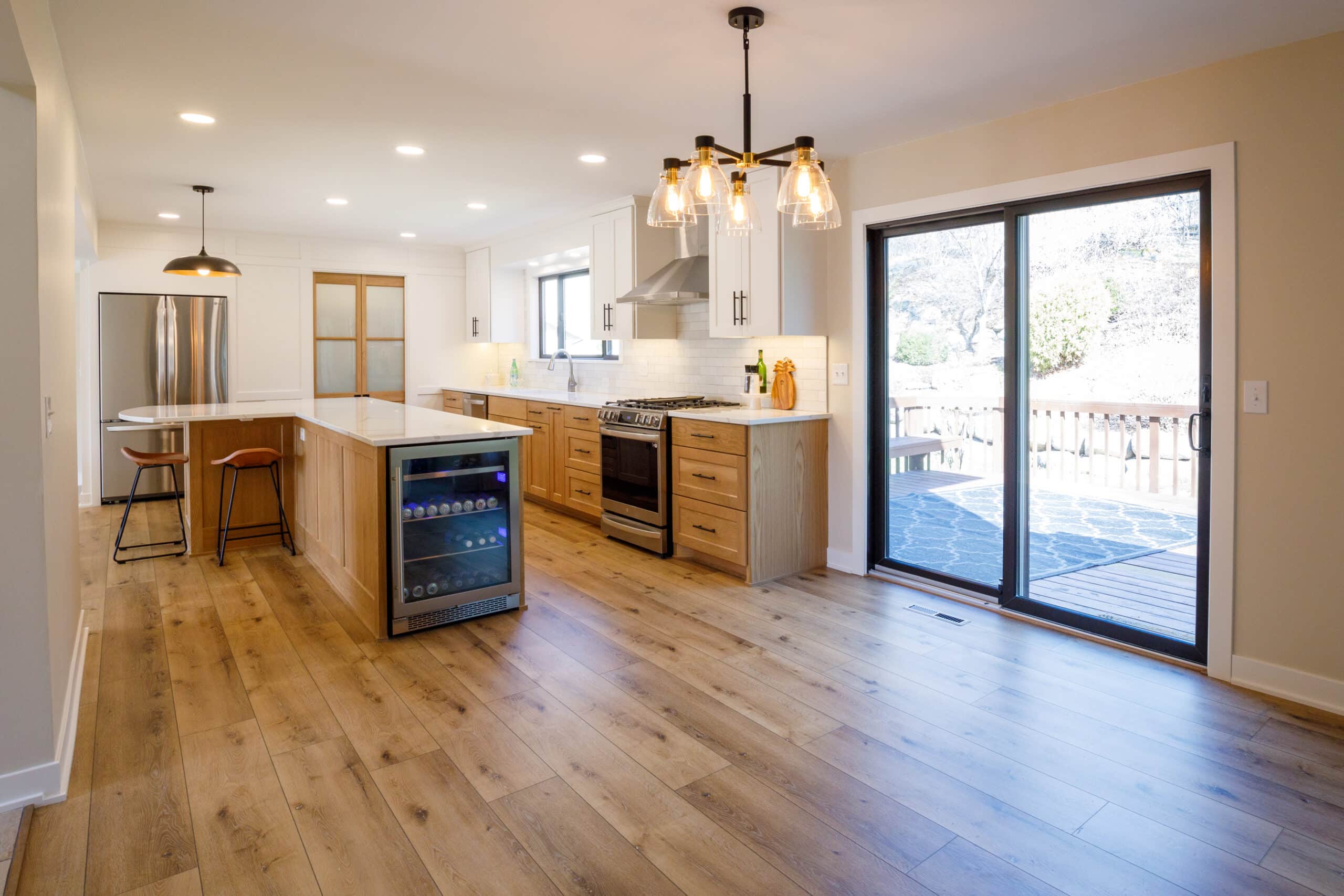
Although many homeowners might not know it, enhancing aesthetic appeal through remodeling can greatly transform a living space. A well-executed remodel can freshen up outdated interiors, producing settings that showcase personal style and current design trends. Whether it means changing colors, textures, or layouts, these changes can considerably affect the general feeling of a home.
For instance, introducing modern lighting fixtures or replacing worn-out flooring can create a more pleasant mood. Designs that are open-plan can improve flow, making spaces feel larger and more cohesive. Additionally, adding features such as decorative moldings, custom cabinetry, or trendy splashbacks can elevate the visual interest in key areas such as kitchens and living rooms.
Ultimately, the visual upgrades achieved through remodeling not only uplift the homeowner's experience but also encourage pride and pride and comfort in their surroundings, leading toward a more enjoyable lifestyle.
Increasing Home Value
Home remodeling can substantially boost a property's value, proving it is a good use of money for homeowners. Well-planned improvements, for example kitchen or bathroom renovations, typically result in substantial payback. According to market professionals, a modernized kitchen can earn back nearly 80% of its cost upon resale. Additionally, improving the exterior look through exterior improvements can draw in prospective purchasers, increasing the total value of the house.
Power-saving renovations, for https://www.kratoscontracting.ca/ example, better insulation or insulation, do more than just cut utility costs but also attract eco-conscious buyers, further increasing market value. Additionally, creating extra living area by building an addition or converted cellar boosts both usability and desirability, rendering the property more desirable in the real estate market.
Finally, thoughtful remodeling choices can transform a home into a highly sought-after property, guaranteeing a good ROI while providing homeowners with an better residential environment.
Enhancing Utility and Design
Strategic house updates does more than boost the home's worth but also aims to better the utility and design within the living space. A well-thought-out remodel can transform cramped areas into highly functional areas, creating smoother transitions and ease of use. For instance, taking down partitions can create open-concept designs that promote sociability and flexibility in how rooms are utilized.
In addition, rearranging rooms such as culinary areas and washrooms significantly boosts their utility. Upgrading storage options and optimizing counter space allows for a more organized environment, customized for the resident's requirements.
Furthermore, careful arrangement of furnishings post-construction better the spatial arrangement, causing areas to appear more spacious and appealing. By prioritizing functionality, homeowners can create a space that fulfills their necessary demands but also improves their general well-being. Ultimately, a focus on flow and utility creates a more balanced home environment.
Improving Energy Performance
A significant benefit of remodeling is the opportunity to boost energy efficiency in the entire house. Homeowners often take advantage of this by upgrading insulation, putting in high-performance windows, and updating old HVAC units. Such changes don't just lower energy use but also reduce power expenses, making the home more economical eventually.
In addition, incorporating energy-efficient appliances during a remodel can considerably contribute to energy savings. Items like smart temperature controls and low-energy light bulbs increase energy savings even more, allowing homeowners to manage energy use effectively.
Moreover, using eco-friendly resources and green techniques while renovating the home decreases the house's contribution to climate change. By opting for regenerative products and reducing waste, homeowners can create a more sustainable living space. Finally, boosting energy efficiency through remodeling does more than help the planet but also increases the property's total worth.
Creating a Comfortable Setting
Establishing a pleasant environment in a home necessitates various essential components. Maximizing ambient light, optimizing space layout, and selecting comfortable materials can greatly elevate the overall atmosphere. These factors not only boost aesthetic appeal but also add to a more welcoming and practical living space.
Maximizing Available Light
While many residents disregard the effect of natural light, its enhancement can truly transform a living space into a more inviting and comfortable environment. Increasing natural light not only lights up rooms but also fosters an airy ambiance that fosters comfort. Techniques such as fitting larger windows, skylights, or glass doors can considerably improve sunlight exposure. Moreover, employing light-colored paint and glossy surfaces can boost the natural light that comes into a space. Placing strategically positioned mirrors can further boost brightness while creating the impression of depth. By focusing on natural light, occupants can foster a peaceful and uplifting ambiance, ultimately contributing to a more enjoyable living situation. This straightforward yet impactful improvement can genuinely boost the overall visual appeal and practicality of a home.
Optimizing Space Layout
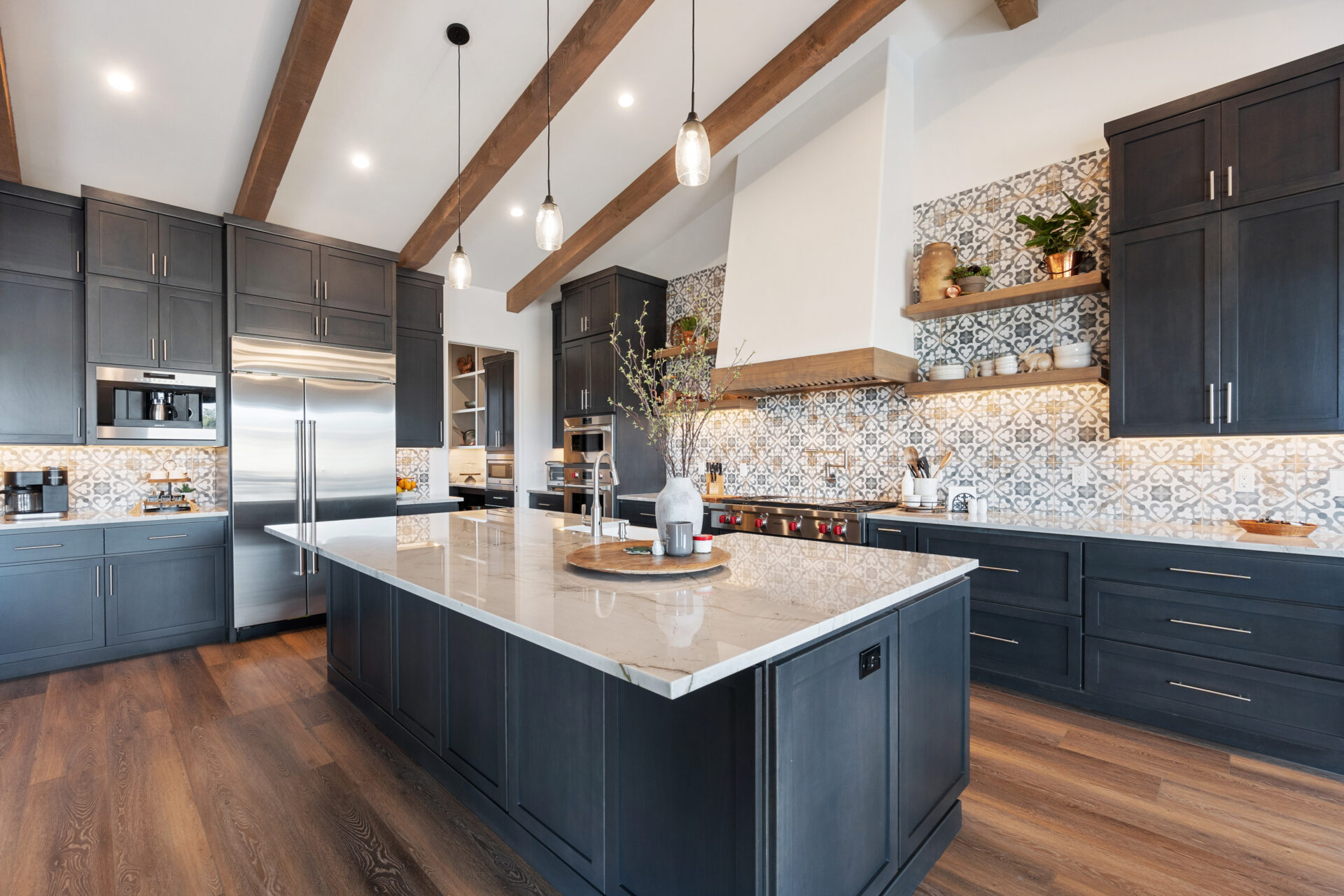
When homeowners emphasize optimizing space layout, they can greatly improve the comfort and functionality of their living spaces. Thoughtful arrangement of furniture and fittings can create an open, welcoming ambiance that allows for freedom of movement. By analyzing the flow of every room, occupants can spot neglected areas and convert them into practical spaces. For starters, merging a kitchen and dining area can promote social activity while optimizing efficiency. Moreover, including multi-functional furniture enables adaptable uses of space, meeting various needs without making the space too full. In the end, a well-considered layout not only boosts daily living but also adds value to the home, turning it a more satisfying and practical space for family and guests alike.
Selecting Suitable Materials
Opting for materials that feel good is vital for homeowners looking to establish a hospitable atmosphere. The picking of materials, textures, and furnishings plays a pivotal role in enhancing both aesthetics and feel. Soft, breathable fabrics including linen or cotton for upholstery help establish a soothing environment, while thick carpets provide coziness for the feet. Moreover, bringing in organic substances like wood or stone introduces a feeling of peace to areas. Hues and shades impact how comfortable a space feels; calm, pale shades often evoke serenity, while bold shades can make a room feel lively. Homeowners should consider durability alongside comfort, ensuring that selected materials are resistant to routine use. Finally, a thoughtful selection of pleasant fabrics and finishes is key to achieving an attractive and comfortable home ambiance, encouraging relaxation.
Customizing the Home
Personalizing a living space allows individuals to express their distinctive taste through careful selections in design. By adding particular elements and arrangements, homeowners can create environments that mirror their individuality but also improve usability. This customized method guarantees that every space has a function while still looking beautiful.
Individualized Aesthetic Decisions

A home acts as a mirror of its owner’s way of life and character, so distinctive design decisions are vital for creating a personalized space. Homeowners have the opportunity to express their unique identity through various elements like color palettes, surface feel, and furniture. Incorporating personal artwork, family heirlooms, or custom-built features can further enhance the distinctiveness of a home. Unique design choices frequently combine beauty with practicality, fostering a cohesive feeling that resonates with the occupants. If selecting dramatic elements or small touches, these decisions contribute to an welcoming and cozy setting. Finally, embracing unique design choices turns a standard area into a personal haven, promoting connection and selfhood that enhances daily existence.
Optimizing Space Use
Creating a personalized space is more than just distinctive aesthetics; it requires maximizing the utility of all parts of the residence. Effective functional space utilization guarantees that every square foot serves a purpose, increasing comfort and maximizing efficiency. Individuals should evaluate their daily activities to determine where changes are necessary—such as developing open layouts for hosting social events or dedicated workspaces for remote tasks. Adding versatile pieces of furniture, like foldable tables or storage ottomans, makes the most of available space without compromising design. In addition, employing vertical storage options helps organize and tidy up living spaces. In the end, focusing on practical use not only makes a home unique but also fosters a more enjoyable and practical environment, tailored to the specific needs of its inhabitants.
Encouraging Family Bonding and Togetherness
While renovating a home usually centers on function and looks, it can also act as a trigger for unity and connection among family members. Including the family in the process of remodeling, individuals encourage collaboration and communication. Selecting layouts, materials, and colors as a group promotes a feeling of responsibility and mutual accountability.
Spaces designed for interaction, for instance, open kitchens or comfortable living areas, establish settings that encourage meaningful time together. The family can meet for game nights, meals, or just to share daily life, strengthening their relationships. Additionally, remodeling projects can become a shared adventure, filled with planning, decision-making, and even the labor of renovation itself.
Ultimately, the transformation of a home extends beyond physical changes; it helps foster relationships within the family. By designing a space that mirrors their shared personality, they forge lasting memories leading to a more balanced and pleasant living space.
Frequently Asked Questions
How Do I Choose a Contractor for My Remodeling Project
In order to select a contractor for a renovation, it is necessary to interview candidates, compare quotes, read reviews, and check credentials. The ability to communicate well and be trustworthy are also key considerations in making an informed decision.
Required Permits for Home Remodeling
Generally, homeowners require electrical, building, and plumbing permits, along with potential zoning permits for remodeling projects. Because regulations differ regionally, so consulting local authorities or a contractor can help verify that you meet standards with every required standard.
How Can I Set a Realistic Budget for Remodeling?
To set a realistic remodeling budget, it is crucial to define the scope of work, request quotes from multiple professionals, include the expense of supplies and workforce, and allocate funds for contingencies, ensuring adequate budgeting throughout the renovation.
How Long Does a Standard Home Renovation Usually Take?
Typically, a home remodeling project spans from a few weeks to several months. Several things impact the timeline, including the project's extent, intricacy, and the professional's capacity, requiring you to plan ahead carefully for a trouble-free execution.
Managing Disruption During Remodeling: What Steps Should I Take?
To manage disruption during remodeling, start by communicating well with the professionals, create a schedule, make alternative living plans, and be willing to adjust plans. Planning ahead minimizes stress and enhances the overall remodeling experience.
Comments on “Trusted Structural Work Secrets”